
Website Design Process Guide 2025 for Business Owners
Website Design Process Guide 2025 for Business Owners

Website design is no longer just about good looks. Businesses that put effort into their online presence see real results. Companies with clear digital strategies are 2.5 times more likely to achieve strong online growth. Sound impressive? Here’s the twist: the real advantage comes from understanding cultural differences, user habits, and adopting the latest AI trends—things your competitors may be ignoring.
Table of Contents
Quick Summary
| Takeaway | Explanation |
|---|---|
| Comprehensive Planning is Essential | Begin with a detailed strategic roadmap that analyzes business objectives, target audience, and competitive landscape to ensure effective website design. |
| User-Centered Design is a Must | Focus on user experience by developing designs informed by user needs, ensuring responsive design, and maintaining brand consistency. |
| Iterative Testing and Optimization | Treat website design as a continuous process; engage in thorough testing and adapt based on user feedback and performance to enhance functionality. |
| Cultural Nuances Matter | Tailor website designs for specific markets (like Indian and US audiences) by understanding cultural behaviors, preferences, and technical considerations. |
| Stay Updated on Future Trends | Embrace innovations like AI for personalization, immersive experiences, and sustainable design practices to remain competitive in the evolving digital landscape. |
Key Steps in the Website Design Process
The website design process is a strategic journey that transforms your business vision into a powerful digital presence. Every successful website begins with a carefully planned approach that ensures your online platform effectively communicates your brand message and meets user expectations.
The website design process is a strategic journey that transforms your business vision into a powerful digital presence. Every successful website begins with a carefully planned approach that ensures your online platform effectively communicates your brand message and meets user expectations.
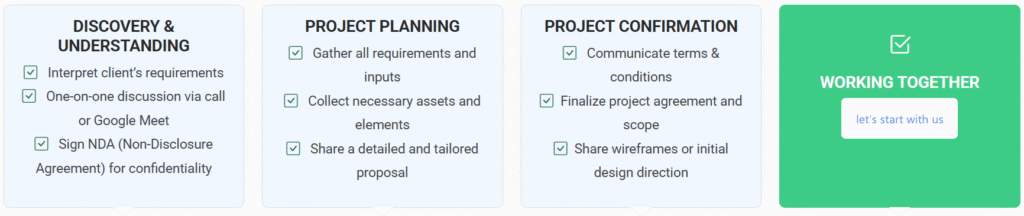
Planning and Strategy Development
Before diving into visual design, businesses must create a comprehensive roadmap for their website. This initial phase involves deep analysis of business objectives, target audience needs, and competitive landscape. Website design strategy requires understanding precisely what your digital platform must accomplish.
Successful planning includes conducting thorough market research to identify user personas and define clear website goals. Forrester Research indicates that companies with well-defined digital strategies are 2.5 times more likely to experience significant online growth. Key strategic considerations include:
- User Experience Goals: Mapping out how visitors will interact with your website
- Functional Requirements: Identifying specific features and capabilities needed
- Performance Metrics: Establishing measurable objectives for website success
Design and Development Execution
Once strategic groundwork is established, the actual website design process moves into creative and technical implementation. This stage transforms conceptual plans into a functional digital platform. Professional designers will typically create wireframes and mockups that visualize page layouts, navigation structures, and content placement. Nielsen Norman Group recommends a user-centered approach where design decisions are driven by audience needs rather than aesthetic preferences alone. This means considering factors like:
- Responsive Design: Ensuring seamless functionality across devices
- Visual Hierarchy: Guiding user attention through strategic element placement
- Brand Consistency: Maintaining cohesive visual communication
Testing and Optimization
The final crucial phase of the website design process involves rigorous testing and continuous improvement. No website is truly complete upon initial launch. Successful digital platforms require ongoing refinement based on user feedback and performance data.
Comprehensive testing encompasses multiple dimensions including:
- Functional Testing: Verifying all links, forms, and interactive elements work correctly
- Performance Evaluation: Analyzing page load speeds and overall site responsiveness
- User Experience Assessment: Gathering qualitative feedback from actual visitors
By approaching website design as an iterative process, businesses can create digital platforms that not only look professional but deliver tangible value to their target audience. The key is maintaining flexibility and commitment to ongoing improvement.
Remember that your website represents your digital storefront. Each step in the design process contributes to creating an online experience that effectively communicates your brand’s unique value proposition and engages potential customers.
Here’s a summary table outlining the three key phases of the website design process, highlighting the main objectives and tasks in each step for easier understanding:
| Phase | Main Objective | Key Tasks/Activities |
|---|---|---|
| Planning & Strategy Development | Define website goals & user needs | Market research, user personas, competitor analysis, requirements |
| Design & Development Execution | Create and build functional, user-centered platform | Wireframes, visual design, development, brand integration |
| Testing & Optimization | Improve website performance based on feedback & data | Functional testing, performance analysis, user experience assessment |
Tailoring Website Design for Indian and US Businesses
Website design demands nuanced strategies that recognize the unique characteristics of different markets. Indian and US businesses face distinct digital landscapes that require carefully tailored approaches to effectively engage their target audiences.
Cultural and User Experience Considerations
Designing websites for Indian and US markets requires deep understanding of cultural nuances and user behavior. Pew Research Center reports significant differences in digital access and usage patterns between these markets. US users typically expect sleek, minimalist designs with direct navigation, while Indian users often prefer more information-dense interfaces that provide comprehensive details.
Key cultural design considerations include:
- Color Psychology: Different color meanings and cultural significance
- Language Preferences: English variations and potential multilingual support
- Visual Communication: Imagery and design elements that resonate with local audiences
Technical Infrastructure and Performance Optimization
Technical requirements vary significantly between Indian and US markets. A study on web accessibility highlighted critical differences in digital infrastructure that impact website design. US businesses typically enjoy higher average internet speeds and more consistent connectivity, allowing for more complex design elements. Indian businesses must prioritize lightweight designs that perform well on varied network conditions.
Performance optimization strategies include:
- Mobile-First Design: Crucial for markets with high mobile internet usage
- Bandwidth Considerations: Creating lean, fast-loading web experiences
- Device Compatibility: Supporting a wide range of device types and screen sizes
Localization and User Engagement Strategies
Successful website design goes beyond visual aesthetics. Check out our comprehensive guide on corporate website design for deeper insights into creating market-specific digital experiences. Effective localization involves understanding local user expectations, business practices, and digital interaction patterns.
Key localization approaches:
- Payment Integration: Supporting local payment methods and currencies
- Content Localization: Adapting content to local language and cultural context
- User Trust Signals: Incorporating region-specific trust indicators
Businesses must recognize that a one-size-fits-all approach to website design is ineffective. The digital experience must be carefully crafted to meet the specific needs of each market. Indian and US businesses require nuanced strategies that go beyond surface-level design considerations.
Successful website design is about creating a digital experience that feels intuitive and trustworthy to local users. This means understanding not just visual preferences, but the deeper cultural and technological context of each market. By approaching website design with cultural intelligence and technical precision, businesses can create digital platforms that truly connect with their target audience.
Below is a comparison table outlining the key differences in website design considerations for Indian and US businesses, helping you quickly understand the distinct needs of each market:
| Aspect | Indian Market Considerations | US Market Considerations |
|---|---|---|
| Visual Style | Information-dense, detailed interfaces | Sleek, minimalist, direct navigation |
| Internet Speed | Variable, often slower | Generally high and stable |
| Device Usage | High mobile usage across various devices | Desktop and mobile, generally newer devices |
| Language | Multilingual, regional adaptations | Primarily English, some Spanish support |
| Payment Integration | Local methods (UPI, wallets, COD) | Credit cards, PayPal, major debit/credit cards |
| User Trust Signals | Certifications, local seals, payment trust | Privacy badges, SSL, customer reviews/social proof |
Common Challenges and How to Overcome Them
Website design presents numerous challenges for business owners, requiring strategic problem-solving and proactive planning. Understanding these potential obstacles is crucial for creating a successful digital platform that effectively represents your brand and meets user expectations.
Budget and Resource Constraints
One of the most significant challenges businesses face is managing website design within limited financial and technical resources. Clutch Small Business Survey reveals that 46% of small businesses struggle with budget limitations when developing their digital presence.
- Despite 62% of small businesses being concerned about a potential recession, the top objectives for small businesses in 2023 are to grow revenue, build their teams, and acquire new customers.
- 64% of small businesses have an idea of actions they would take to combat a recession.
- 56% of small businesses expect revenue increases in 2023.
- 83% of small businesses will maintain or increase their spending on outsourced business services in 2023.
- Small businesses are looking for new outsourced providers in marketing (27%), IT services (22%), and design (21%) in 2023.
- The primary motivation for outsourcing tasks to businesses was a near-tie between reducing expenses and bringing industry experience onto the team.
Strategies to overcome budget constraints include:
- Prioritizing Essential Features: Focus on core functionality that delivers maximum value
- Phased Development: Implement website features incrementally
- Open Source Solutions: Leverage cost-effective development platforms
Technical Complexity and Skill Gaps
Technical challenges often overwhelm business owners without extensive digital expertise. Stack Overflow Developer Survey highlights the complexity of modern web technologies, indicating significant skill barriers for non-technical professionals.
Effective approaches to addressing technical challenges:
- Professional Consultation: Partner with experienced web design professionals
- Continuous Learning: Invest in skill development and training
- User-Friendly Platforms: Utilize intuitive website builders and content management systems
User Experience and Performance Optimization
Check out our guide on creating responsive website designs to understand the critical aspects of delivering exceptional user experiences. Businesses frequently struggle with creating websites that are both visually appealing and functionally robust.
Key strategies for overcoming user experience challenges:
- Regular Performance Testing: Continuously monitor website speed and functionality
- User Feedback Integration: Implement mechanisms for collecting and incorporating user insights
- Responsive Design: Ensure seamless performance across multiple devices and screen sizes
Successful website design requires a holistic approach that balances technical capabilities, user needs, and business objectives. Business owners must remain adaptable and committed to ongoing improvement. The digital landscape evolves rapidly, demanding continuous learning and strategic flexibility.
By anticipating potential challenges and developing proactive strategies, businesses can create powerful online platforms that effectively communicate their brand message. The key is to view website design as an iterative process rather than a one-time project. Embrace challenges as opportunities for growth and innovation in your digital strategy.
Future Trends in Website Design for 2025
The digital landscape is continuously evolving, with website design transforming at an unprecedented pace. As we approach 2025, businesses must stay ahead of emerging technologies and user experience innovations that will reshape online interactions.
Artificial Intelligence and Personalization
Gartner Research predicts that artificial intelligence will revolutionize website design by creating hyper-personalized user experiences. AI-driven technologies will enable websites to dynamically adapt content, layout, and functionality in real-time based on individual user behaviors and preferences.
Key AI-powered design innovations include:
- Predictive User Interfaces: Anticipating user needs before they articulate them
- Dynamic Content Personalization: Tailoring website experiences to individual visitor profiles
- Intelligent Recommendation Systems: Providing contextually relevant suggestions
Immersive and Interactive Experiences
Website design in 2025 will move beyond traditional two-dimensional interfaces. Nielsen Norman Group highlights the growing importance of immersive technologies that create more engaging digital experiences. Augmented reality and virtual reality will play increasingly significant roles in how businesses communicate with their audiences.
Emerging interactive design trends encompass:
- Augmented Reality Integration: Allowing users to visualize products in real-world contexts
- 3D Interactive Elements: Creating more engaging and memorable user interfaces
- Voice and Gesture Navigation: Expanding beyond traditional click-based interactions
Sustainability and Ethical Design
Check out our comprehensive approach to modern website development to understand how cutting-edge design meets ethical considerations. Future website design will increasingly focus on sustainability, accessibility, and responsible digital experiences.
Ethical design principles gaining prominence include:
- Carbon-Efficient Web Design: Reducing digital carbon footprints
- Universal Accessibility: Creating inclusive digital experiences for all users
- Data Privacy by Design: Implementing transparent and user-controlled data practices
The future of website design is not just about aesthetic appeal or technological capabilities. It represents a holistic approach that balances user needs, technological innovation, and ethical considerations. Businesses must view their digital platforms as dynamic, living ecosystems that continuously adapt and evolve.
Successful website design in 2025 will require a forward-thinking approach that embraces technological innovation while maintaining a human-centric perspective. By anticipating and integrating emerging trends, businesses can create digital experiences that are not just functional but truly transformative.
Frequently Asked Questions
What are the key steps in the website design process for 2025?
The key steps in the website design process include planning and strategy development, design and development execution, and testing and optimization. Each phase is crucial for ensuring that your website meets user needs and achieves business objectives.
How can cultural differences affect website design?
Cultural differences affect website design by influencing user preferences, navigation styles, and color meanings. Understanding these nuances helps create a more engaging and effective digital experience tailored to specific audiences, such as Indian and US markets.
What are some common challenges in website design?
Common challenges in website design include budget constraints, technical complexity, and ensuring a positive user experience. Addressing these challenges through prioritization, professional consultation, and user feedback can lead to a more successful website.
Why is user-centered design important for my website?
User-centered design is important because it focuses on creating an intuitive and engaging experience for visitors. By prioritizing user needs in the design process, businesses can improve user satisfaction, increase engagement, and ultimately drive conversions.
Transform Your Vision Into a Results-Driven Website in 2025
Struggling with the complex website design process or unsure how to overcome resource and technical barriers? The right digital strategy is more important than ever. The article highlighted that many business owners grapple with planning, user experience gaps, and balancing local and global cultural needs. If you want a solution that goes beyond one-size-fits-all design, we can bridge that gap for you.
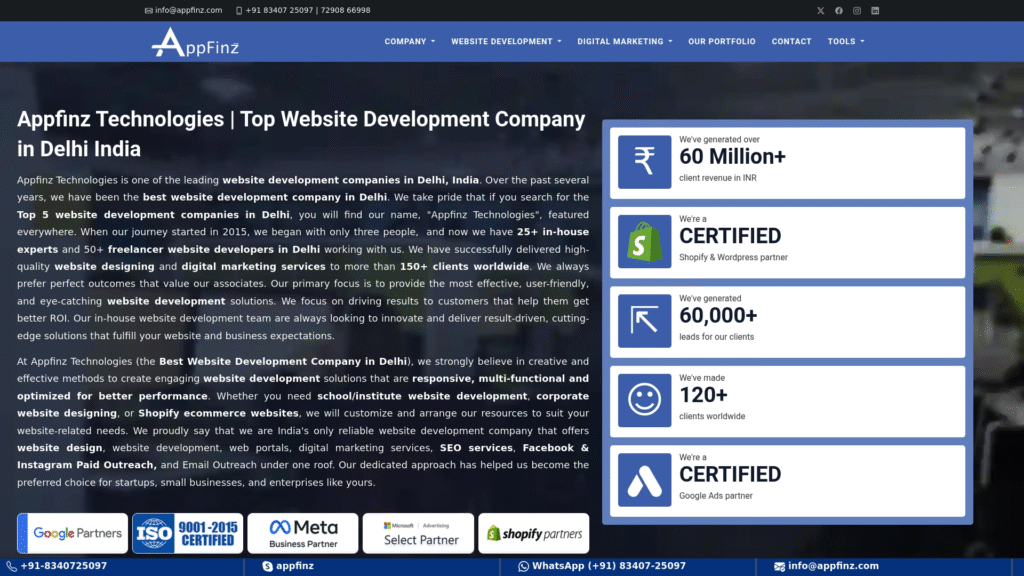
Our team at Appfinz Website Designing and Digital Marketing Services helps you move from uncertainty to clarity. Whether you need a tailored strategy for your Indian or US business, or want to ensure your site stays ahead with AI personalization and performance, we offer expert support for every stage of your design journey. Discover how we turn planning and strategy into real growth on our main website. Ready to create your next high-performance website? Get started now and secure a competitive advantage before 2025 becomes the new standard.
Recommended
- Corporate Website Designing Services | Top Website Designing Agency
- Website Development Company in Delhi NCR, Web Development
- Landing Page Designing in Delhi | High-Converting Designs for Businesses
- Contact Us: Appfinz Technologies
About Post Author
